Kupwara, Sept 30: Krishi Vigyan Kendra (KVK) Kupwara organised a comprehensive training programme on natural farming in Magam area of north Kashmir’s Kupwara district on Wednesday, with the participation of 53 farmers and 36 students from Wadoora, SKUAST-K.
The programme was organised to create awareness among farmers and students about low-cost, sustainable and environmentally friendly farming practices and to encourage the adoption of farming methods that can reduce dependence on costly external inputs.
As part of the programme, the participating farmers visited the farm of progressive farmer Sobia, who has been trained and supported by KVK Kupwara. The exposure visit provided the participants an opportunity to observe the practical application of natural farming techniques and interact with a farmer successfully adopting such practices.
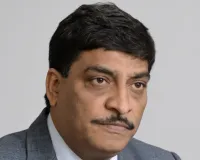
Dr. G.M. Bhat, Head KVK Kupwara, delivered a detailed lecture on the concept, principles and importance of natural farming. He explained that natural farming is not merely a method of crop production but a holistic approach aimed at improving soil health, conserving natural resources and making farming systems more sustainable.
Dr. Bhat highlighted four major pillars of natural farming Save Soil, Save Water, Save Environment and Save Human Life. He stressed the importance of protecting soil structure, improving biological activity, conserving water, reducing chemical pollution, promoting biodiversity and producing safe and nutritious food.
During the practical session, farmers were given hands-on demonstrations on the preparation and application of Beej Amrit, Jeev Amrit and Ghan Jeev Amrit.
The participants were explained the ingredients, preparation methods and application techniques, along with their role in improving soil biological activity and supporting crop growth.
Dr. Bhat advised farmers to make maximum use of locally available farm resources and gradually reduce their dependence on costly external inputs. He said that natural farming, when adopted according to local conditions, can help reduce cultivation costs, improve resource-use efficiency and strengthen farm-based livelihoods.
He also stressed that agriculture should not remain merely a means of subsistence but should become a sustainable source of livelihood and income for rural households. He encouraged farmers, particularly youth and women, to integrate natural farming with diversified activities such as horticulture, livestock, vegetable cultivation, mushroom production and other locally suitable enterprises.
Other scientific staff, including Dr. Shahid Hakim, Dr. Ishtiyaq Ahmad, Dr. Firdous Ahmad Raina and Dr. Faisal Nabi, also interacted with the farming community and shared technical information related to sustainable agricultural practices.
Speaking on environmental protection, Dr. G.M. Bhat called for a complete ban on the use of polythene in Jammu and Kashmir, particularly in the Kashmir Valley. He urged the district administration Kupwara and Sub-Divisional Administration Handwara to take effective measures to prevent construction activities on agricultural and horticultural land.
Dr. Bhat said that protecting agricultural and horticultural land is essential for safeguarding the interests of future generations and maintaining the region’s agricultural potential.
The farmers actively participated in the practical demonstrations and interacted with KVK experts on various aspects of natural farming. The exposure visit to the progressive farmer’s farm further strengthened their understanding through a real-life demonstration of the technologies promoted by KVK Kupwara.
The programme concluded with an emphasis on farmer-to-farmer learning, reduction in cultivation costs, conservation of natural resources and promotion of sustainable agriculture in Kupwara district.
KVK Kupwara reiterated its commitment to providing scientific and practical training to farmers and promoting farming systems that are economically viable, environmentally responsible and capable of generating sustainable livelihoods.







Comment List